

Clinical Validation
One continuous signal, from trials to practice.
Longitudinal pre-screening indicators, studied through clinical research in Chile and carried into operations in the United States as one connected corridor. Clinical research and prospective validation studies are underway.
Why validation matters
We validate where the science is strongest, and operate where the need is greatest.
Faex builds longitudinal, pre-screening intelligence for gastrointestinal health. Before an indicator informs anyone's care, it is studied through clinical research, then carried into United States operations as one continuous evidence corridor.
Longitudinal by design
Signals are read over time, not from a single moment.
Pre-screening, not diagnosis
Indicators that prompt earlier review, never a clinical verdict.
Evidence that travels
Studied in Chile clinical research, applied across United States operations.
Chile / Clinical trials
Where the science is studied.
The evaluation follows digestive signals over time, allowing change to be examined across repeated observations instead of a single snapshot.
- 110 registered participants As of July 24, 2026
- Registered in the Santiago evaluation
- 250+ sessions As of July 24, 2026
- Longitudinal patient-monitoring sessions recorded
- May 2026
- Enrollment opened and remains ongoing
From noise to validation
Raw participant signal resolves into one validated indicator.
The Chile evaluation
Inside the evaluation in Santiago.
How enrollment grew.
- 40 participants First three weeks
- 60 participants Roughly five to six weeks
- 110 registered participants As of July 24, 2026
Where is the evaluation taking place?
Faex is part of one active prospective observational cohort in Santiago, Chile.
The Faex smartphone application was added as a sub-study through an ethics-approved amendment to DIPRECC, Programa de Detección Precoz de Cáncer Colorrectal, at Complejo Asistencial Dr. Sótero del Río.
Complejo Asistencial Dr. Sótero del Río website (opens in a new tab)
Enrollment and prospective data collection are active while the team builds the dataset for its first comparative analysis.
What does the study compare?
The primary endpoint examines the relationship between Faex outputs and standard fecal immunochemical testing, or FIT, results.
Secondary analysis looks at associations with colonoscopy findings, adenoma or polyp detection, colorectal cancer findings, and pathology or histopathology results where available.
The study combines repeated photographs and questionnaires with clinical testing and chart information where available.
How do people take part?
Participation is voluntary and unpaid. Everyone currently registered chose to enroll and contribute data without financial compensation.
Participants can decline or withdraw at any time without affecting their medical care.
From the study team.
My experience with Faex Health has been very positive and innovative, especially in the way it facilitates the collection of digestive health information within the study. The platform is easy to use and allows for more organized and efficient patient follow-up.
-
The platform guides users through taking photographs, which ensures visual information is captured under consistent criteria and with less variability.
-
The platform centralizes each user's clinical and photographic data, standardizes records, and improves the traceability of procedures.
I have worked coordinating patient enrollment, verifying data quality, and monitoring the progress of procedures such as FIT tests and colonoscopies.
Registered on ClinicalTrials.gov
NCT07740122 View the registry record (opens in a new tab)FECAL-AI: Prospective Observational Validation of AI-Based Stool Image Analysis Against Quantitative Fecal Immunochemical Testing for Colorectal Neoplasia Risk Assessment
- Sponsor
- Servicio de Salud Metropolitano Sur Oriente
- Site
- Hospital Dr. Sótero del Río, Santiago, Chile
- Status
- Recruiting
Record first posted July 31, 2026. Status and dates follow the public register.
Methodology
From captured signal to validated indicator.
One signal travels the corridor, transforming at each stage from capture to applied care.
- Chile Clinical trials
- Capture Structured inputs over time.
- Analyze Candidate indicators surfaced.
- Validate Tested in Chile trials.
- Apply Carried into US operations.
- United States Operations
Evidence & oversight
Guided by our advisory board.
Our validation approach is shaped with the guidance of advisors across clinical, scientific, and commercial domains.
-
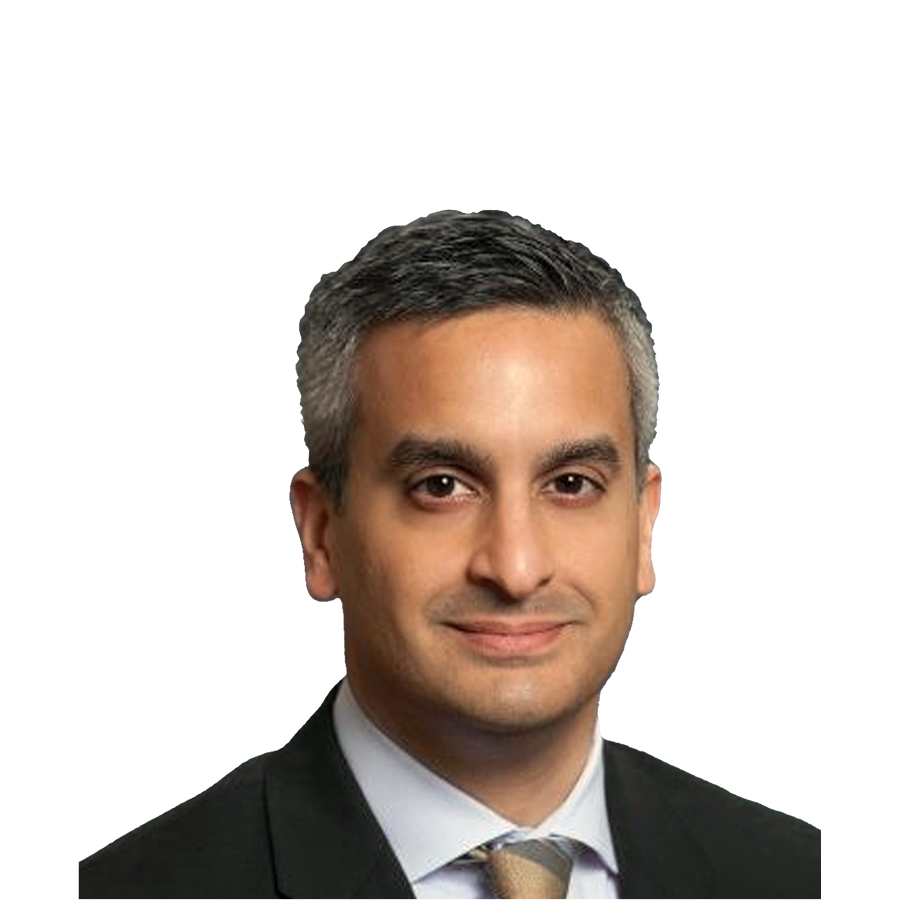 Jay Yepuri
Chief Medical Officer
LinkedIn
(Jay Yepuri, opens in a new tab)
Jay Yepuri
Chief Medical Officer
LinkedIn
(Jay Yepuri, opens in a new tab)
-
 Foster Goss, DO, MMSc, FACEP, CMIO
Medical / Informatics
LinkedIn
(Foster Goss, DO, MMSc, FACEP, CMIO, opens in a new tab)
Foster Goss, DO, MMSc, FACEP, CMIO
Medical / Informatics
LinkedIn
(Foster Goss, DO, MMSc, FACEP, CMIO, opens in a new tab)
-
 Mark Atkins
Military Advisor
LinkedIn
(Mark Atkins, opens in a new tab)
Mark Atkins
Military Advisor
LinkedIn
(Mark Atkins, opens in a new tab)
-
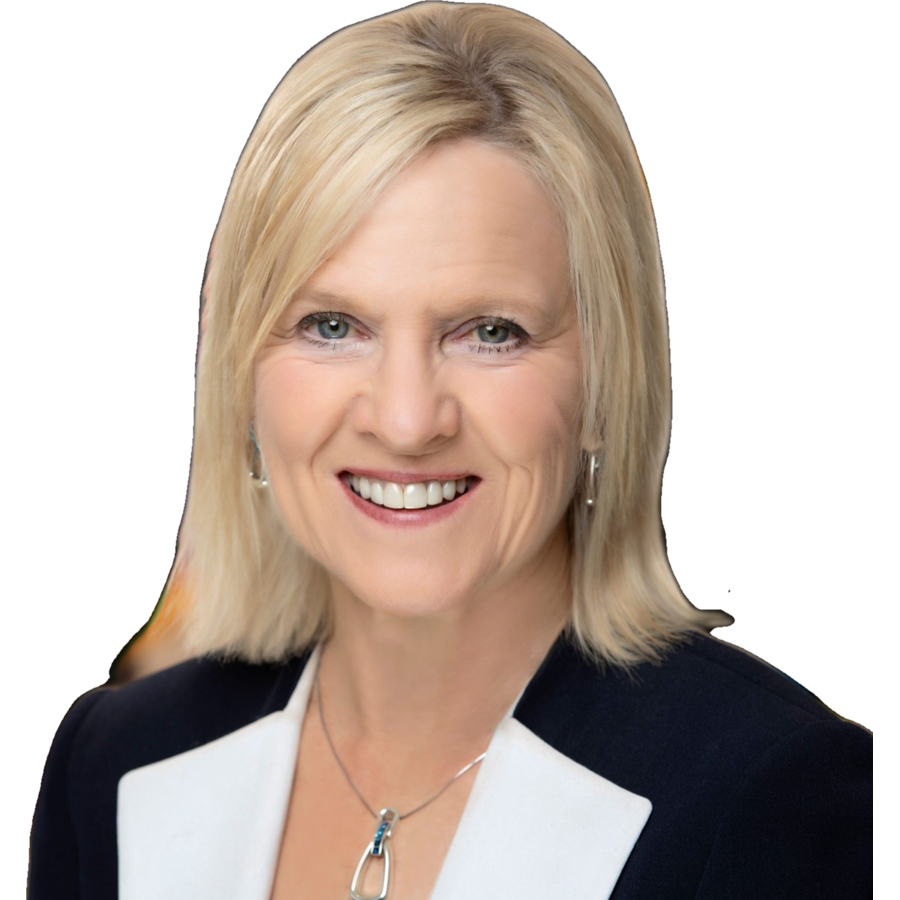 Bethany Hall-Long
Government Advisor
LinkedIn
(Bethany Hall-Long, opens in a new tab)
Bethany Hall-Long
Government Advisor
LinkedIn
(Bethany Hall-Long, opens in a new tab)
Clinical Validation
See the evidence corridor in action.
Talk with our team about Faex's clinical validation and pre-screening approach.